Lawn Mowing in Kingston

Lawn Mowing Kingston provides a straightforward service for keeping grass neat, even and manageable in private gardens, rental homes, communal spaces and commercial outdoor areas. The focus is on regular mowing where a tidy finish matters, with attention to cutting height, edging and the general condition of the lawn. Our aim is to leave grass looking cared for rather than simply cut down, while keeping the service practical for ordinary household and business routines.
Where lawns have grown unevenly, the work can include a more controlled first cut followed by a routine maintenance pattern. That helps avoid taking too much from the grass at once and supports a better finish over time. If a garden also needs broader upkeep, we can discuss how mowing sits alongside other outdoor maintenance tasks so the service suits the site as a whole. For a clear starting point, request a quotation and describe the lawn you want maintained.
Different properties need different mowing approaches, so the service is shaped around the size of the grassed area, access, edges, and whether the lawn is ornamental or primarily functional. A simple front garden lawn and a larger shared green will not need the same pattern of attention. We keep the work focused on the visible result the customer wants, whether that means a sharp finish, a sensible maintenance schedule or help bringing a more neglected lawn back under control.
Regular mowing and tidy finishing
Routine mowing is the core of the service, and it is usually the best way to keep grass looking consistent across the season. A well-maintained lawn is easier to walk on, neater to view and less likely to develop long, straggly patches that make the whole area look tired. The practical tasks often include cutting the main lawn area, trimming close to edges where appropriate, and leaving the site in a presentable condition after the grass has been shortened.
For customers who want a dependable repeat service, regular mowing can be arranged so the lawn does not get away from them between visits. The main decisions are usually how short the grass should be kept, how often it needs cutting, and whether any awkward boundary sections need particular care. If the lawn has a mixture of open areas and tighter corners, the mowing pattern can be adjusted so the finish looks balanced rather than patchy.
What a mowing visit may cover
A typical visit may include cutting the main lawn, managing the outer edges, and checking that the finish is even across the visible area. On some gardens, precision around borders, paths and fixed features matters as much as the main cut because it is those edges that make the difference between an ordinary trim and a tidy, deliberate result. Where the lawn adjoins planting beds or paved areas, care is needed so the cut stays controlled.
Lawn care options for different grass conditions

Some lawns are healthy and simply need maintenance, while others have been left too long and require a more careful approach. When grass is long or uneven, the first cut may need to be more measured so the lawn is reduced without causing unnecessary stress. In that situation, it can be better to improve the result over more than one visit rather than forcing an overly low cut at once. That is especially relevant where the grass has not been touched for a while.
Customers also vary in how they want the lawn to look. Some prefer a close, crisp finish; others want a softer, more natural height that still appears orderly. The service can reflect that preference as long as it suits the grass and the season. If you are unsure what is sensible for your garden, a quotation request can include a brief description of the lawn’s condition and the kind of finish you would like.
Supportive lawn care is not only about the cut itself. It also involves understanding how the lawn is used, whether it is shaded, and whether there are obstacles or delicate features near the edges. Those practical points affect what can be done efficiently and safely. A good mowing plan is one that keeps the lawn looking respectable without overcomplicating the job, so the work remains realistic for the property and the grass.
About Kingston
Kingston upon Thames, often referred to simply as Kingston, is a historic town on the River Thames in southwest London. Its riverside setting has long shaped the place, from early settlement and royal associations to the present-day mix of shopping streets, residential neighbourhoods and waterside walks. The town centre includes a varied streetscape of older buildings, later commercial development and public spaces that make it one of the more recognisable centres in the borough. Kingston has a particular place in English history because it is associated with the coronation of several Anglo-Saxon kings, a fact reflected in local heritage references and civic identity. The area also grew through its role as a market town and river crossing, with trade and movement along the Thames supporting its development over many centuries. Today, the river remains a defining feature, linking the town to places such as Hampton Court and Richmond while also giving access to promenades, bridges and open views. Alongside the centre, Kingston includes parks, residential streets and nearby green spaces that create a varied urban landscape. Places such as Canbury Gardens and the riverside paths contribute to the town’s open character, while the retail core and transport links give it a busy modern rhythm. The mix of history, water, architecture and everyday commerce makes Kingston distinctive within greater London and gives it a layered identity that is both local and metropolitan.
How lawn mowing is planned
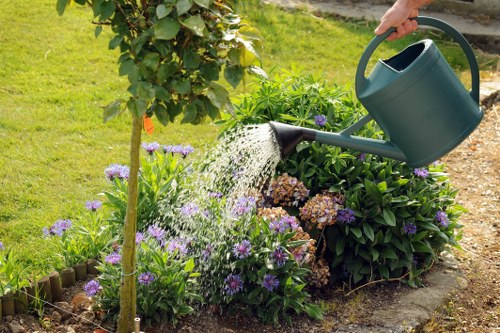
Planning a mowing job well starts with the layout of the property. Straightforward square lawns are quicker to work on than gardens with narrow access, stepping stones, beds or fixed garden furniture, so the time and method can vary accordingly. The grass itself also matters: denser growth, damp conditions and uneven patches can influence how the cut is carried out. A sensible plan keeps the work efficient while still protecting the lawn surface and nearby features.
Some customers want mowing only, while others need the grass cut as part of wider garden maintenance. It is often useful to think about what should happen before the mow, after the mow, and whether any separate trimming work is needed around the same visit. That helps make the quotation more accurate and avoids assumptions about what is included. If there are sections that need extra attention, note them clearly when asking for a price.
Helpful details can include the approximate size of the lawn, whether access is straightforward, and whether the area has been left to grow for longer than usual. A brief description is enough for a useful starting quote in many cases. Clear information helps the service match the site, but there is no need to overcomplicate it: the aim is simply to understand the lawn, the expected result and any practical limits before work is arranged.
Garden maintenance alongside mowing
Lawn mowing often forms part of broader garden maintenance, especially where the property needs a regular, orderly appearance rather than a one-off cut. In those cases, mowing sits alongside related outdoor tasks such as keeping borders clear, reducing the look of overgrowth and maintaining the general presentation of the space. When those jobs are combined properly, the garden tends to look more coherent because the lawn is not maintained in isolation from the rest of the outdoor area.
It can be helpful to decide whether the lawn is the main priority or just one part of the garden that needs attention. If the grass is the feature that draws the eye, then cutting quality and finish matter most. If the surrounding garden is also becoming untidy, the service can be discussed in terms of the wider condition of the site. For a practical quote, mention any additional outdoor work you want considered alongside mowing.
For landlords, homeowners and businesses alike, the point of regular maintenance is often consistency. A lawn that is cut before it becomes unruly is usually easier to keep in shape than one that is repeatedly allowed to run long. That is why many customers prefer a simple, repeatable approach rather than leaving mowing until it becomes urgent. If you want a manageable routine, it is often best to ask for a quotation for regular visits rather than waiting until the grass has become difficult to handle.
What affects the quotation

Quotation levels for lawn mowing normally depend on practical factors rather than vague generalities. These may include the size of the lawn, how many separate grassed areas there are, how much edging is involved and whether the lawn is easy to access. If the grass is long, wet or uneven, the work may take longer than a routine maintenance visit. A quotation should reflect the actual conditions of the lawn rather than a generic assumption.
Where the customer wants a broader scope, the price may also be influenced by related tasks that sit alongside mowing. For example, if the visit needs to account for tidying the lawn edges, working around difficult access points or carrying out extra grass-cutting to recover an overgrown area, those details matter. A useful quotation request usually contains enough information to show what the job looks like now and what result is expected when it is done.
- measure or estimate the lawn area carefully
- note whether the grass is a regular maintenance cut or a first tidy-up
- mention any awkward access, slopes or obstacles
- say whether edging or nearby trimming is needed
- describe the finish you want, from neat and short to more moderate
Supporting neat boundaries and edges
Edges often define the final appearance of a lawn more than the main cut itself. A garden can be mown but still look unfinished if the borders, path edges or perimeter lines are left rough. For that reason, attention to boundary detail is an important part of the service where it is needed. This can include working close to paving, reducing the untidy look of overhanging grass and keeping the transition between lawn and hard landscaping clear.
Not every lawn needs the same level of edge work. Some properties have simple, open margins, while others have complex borders, narrow strips or areas where the mower cannot easily reach. The service can be tailored so the finish looks appropriate to the site rather than forced into one standard pattern. In practical terms, that means the lawn should look intentionally maintained, not merely shortened in the middle.
When boundary detail matters most
Boundary work becomes especially noticeable when a lawn sits beside paving, decking, paths or planted beds. Those surroundings frame the grass, so a clean line can make the whole garden feel more orderly. Where overgrowth has started to blur the edges, tidying that line can have a much bigger visual effect than a simple middle cut. That is one reason many customers ask for mowing as part of a more rounded outdoor tidy rather than as an isolated task.
Regular visits and seasonal grass growth
Grass does not grow at the same pace all year, so mowing plans need to stay flexible enough to reflect changing conditions. During stronger growing periods, the lawn may need attention more often to keep it manageable, while quieter periods can sometimes allow a longer gap between cuts. The aim is not to force the same pattern throughout the year, but to keep the lawn in a sensible state as the seasons change.
For many customers, the most practical arrangement is a simple recurring routine that prevents the grass from becoming too long between visits. That reduces the amount of catch-up work required and helps the lawn retain a more even finish. If you are planning ahead for the season, a quotation request can mention whether you want a one-off mowing job or continuing maintenance so the scope is clear from the outset.
Seasonal growth can also influence how much care the lawn needs after wet weather, dry spells or a period of rapid growth. A grassed area that looks fine in one month may need a different approach later in the year. The sensible response is to match the cut to the condition of the lawn, keeping the work practical and the finish consistent with the way the garden is used.
More than just a quick cut

A useful mowing service is about more than running over the grass and leaving immediately. The surrounding layout, the condition of the turf and the desired appearance all influence how the work should be handled. In some gardens the right approach is a careful maintenance cut; in others, it is a more measured tidy-up that starts to bring the lawn back into shape. Either way, the result should feel considered and fit for the property.
That is particularly important where the lawn is part of the wider appearance of the home or business. A neat grassed area helps the whole outdoor space look more ordered, but only if the work is carried out in a way that suits the site. Whether you need a small front lawn maintained or a larger area kept under control, the service should reflect the actual condition of the grass rather than a one-size-fits-all idea of mowing.
Use the final step to ask for a quotation with a few clear details about the lawn and the finish you want. Request a quotation and include enough information for a practical assessment of the job, and we can discuss the right mowing approach for your property. If you want to compare scope first, our pricing and quotes page sets out how estimates are handled.